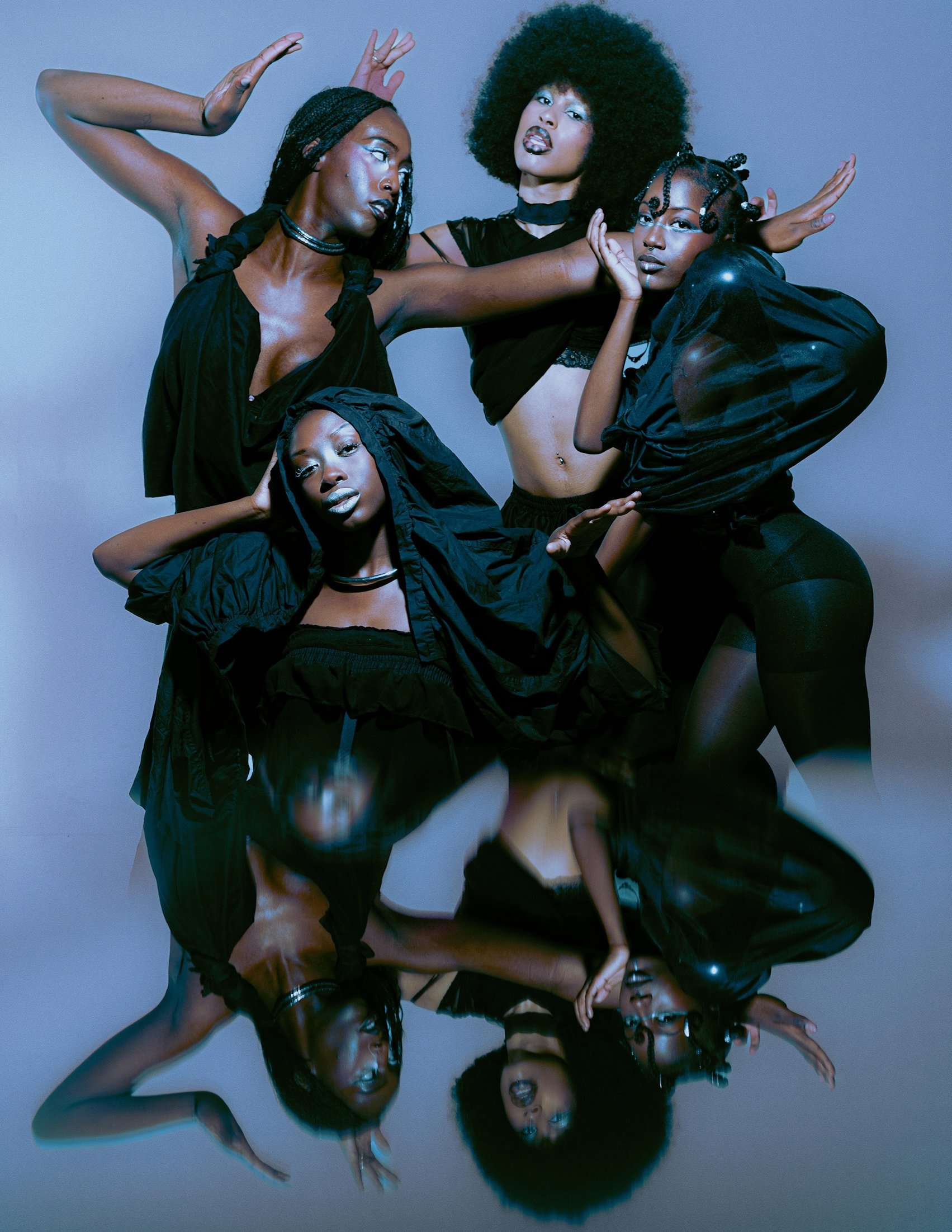
BLACK STYLE IN CONTEXT
Image: I Have Never (Always) Known by Zaneta Ambassa
Black and Afrodiasporic people have a unique relationship to fashion.
From Jamaican lacebark, made by African and Afro-descended women during the period of trans-Atlantic slavery, and wax print cloth circulating through networks of West African women in the twentieth century to Harlem Renaissance dandies and contemporary Black designers and brands, fashion is an important tool for Black and African self-fashioning.
However, Black style is also political. In the 1960s, the Black Panther’s uniform of beret and leather jacket expressed a message of civil militancy. Stephen Burrow’s lettuce hem jersey dresses outfitted an army party girls that announced Black and queer ballroom culture to the Establishment at the famous 1973 “Battle of Versailles.”
Style and politics go hand in hand in Black culture.
These interviews with Toronto fashion trailblazers highlight both sides of fashion’s power for diasporic people. They share their vision, ideas, and the politics woven into their fashion practice.
In the following excerpts, they recount their experiences and challenges, and reflect on their place in fashion history.
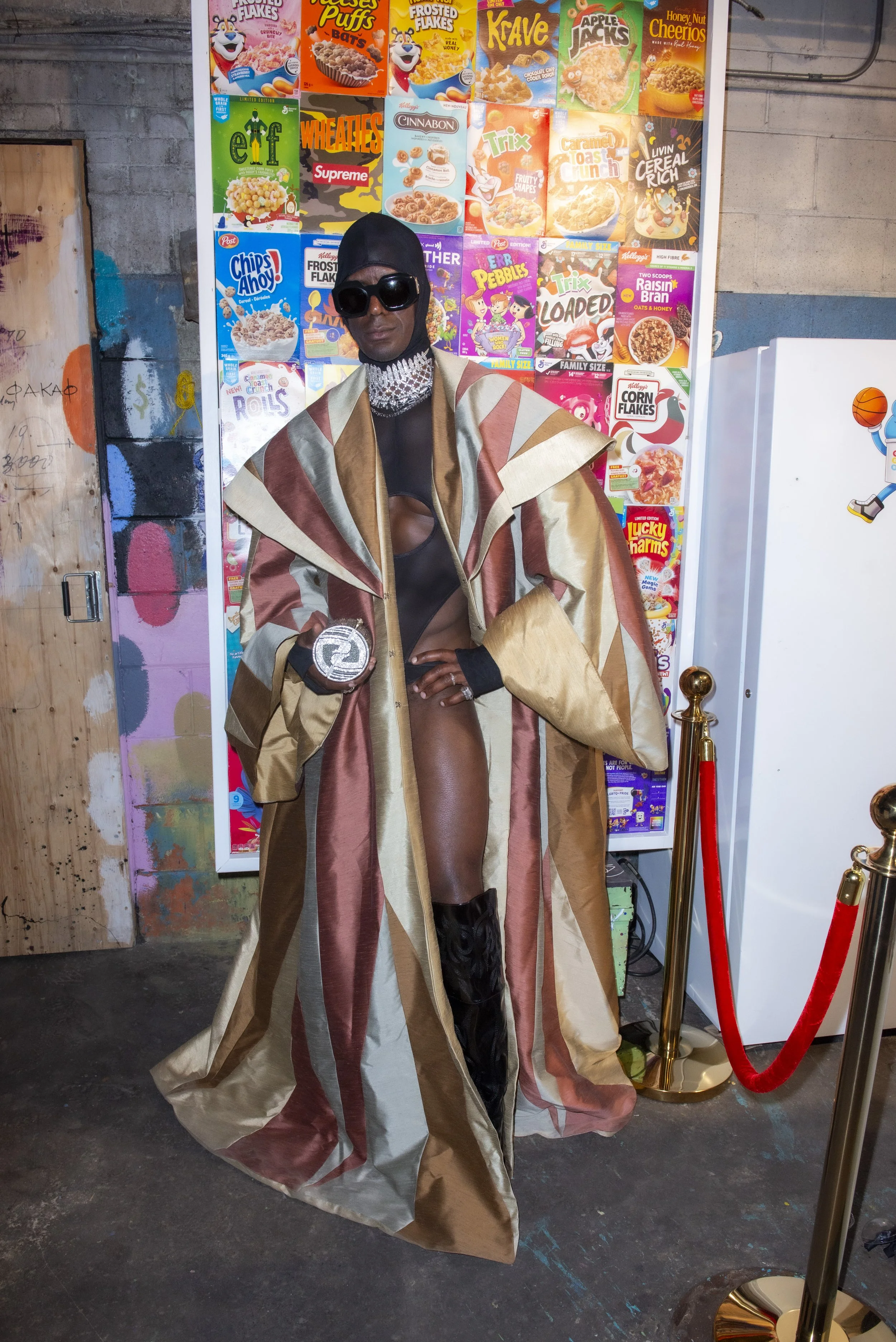
mic carter
Founder and designer of the queer/non-binary brand L’Uomo Strano, Mic Carter uses fashion as a tool for community. His stratospheric creations serve ballroom queen realness and transform his wearers—the Strano Squad—into sublime beings that refuse predetermined categories. Mic designs with empowerment in mind. His brand’s style is inspired by and made for the gender non-conforming folks who face micro-aggressions and marginalization in the mainstream. Wearing L’Uomo Strano is an assertion and a shield from the ordinary.
In this excerpt, Mic explains how fashion is a tool to expand gender expression.
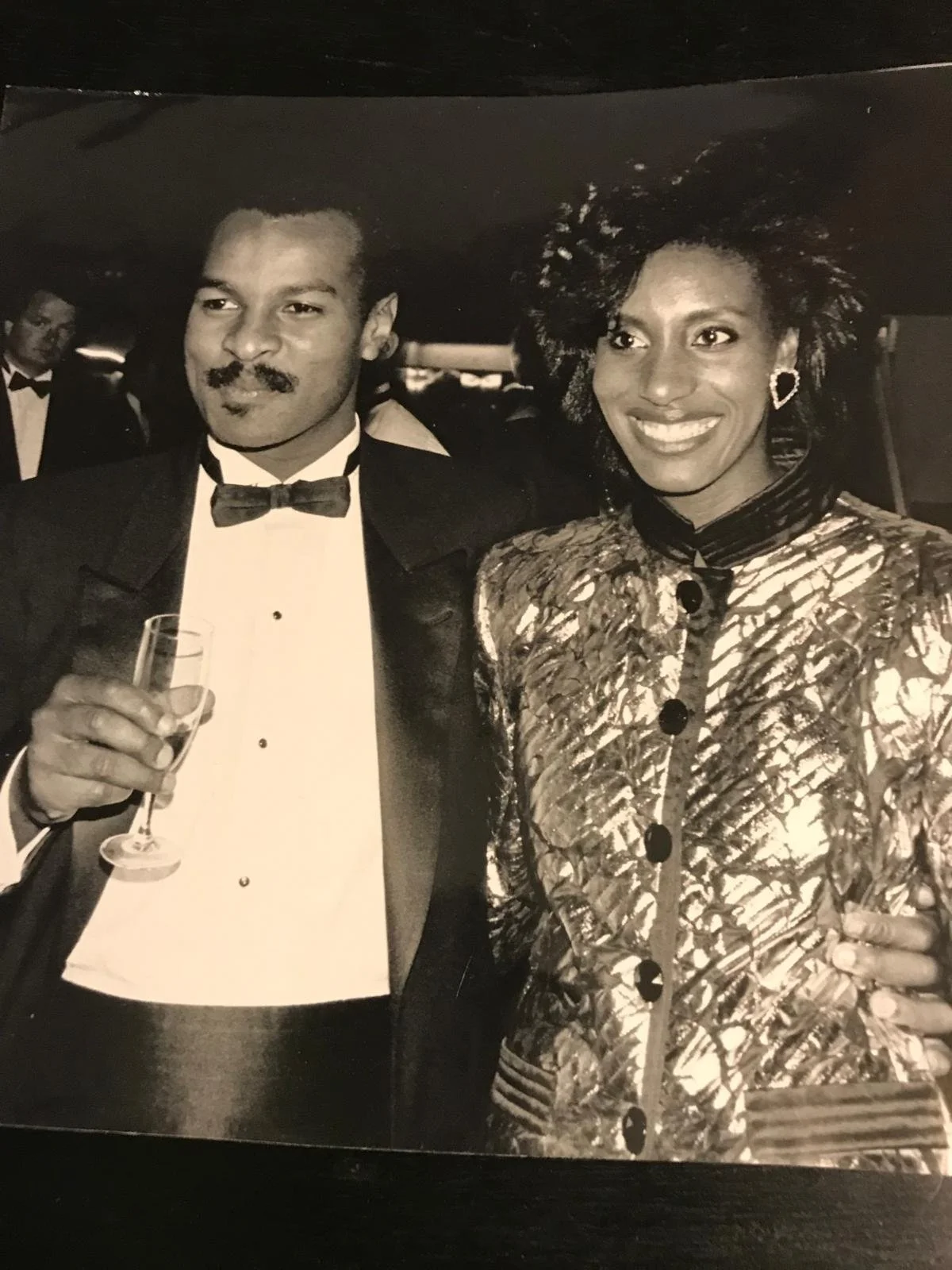
iris simpson
Iris Simpson emigrated to Toronto with her family in 1958 from Jamaica. Graduating in the late 1970s with a diploma in Fashion Merchandising from Ryerson Polytechnic, Iris started her career as a part-time sales associate at Eaton’s department store. The store’s management trainee program gave Iris the perfect springboard to quickly become the premier buyer for luxury fashion stores, such as YSL, Creeds and Holt Renfrew throughout the 1980s. After becoming a mother, Iris pivoted into styling and, later, fashion education, training the next generation of fashion leaders, which she continues to do today.
In this excerpt, Iris recalls the stakes of being a Black woman luxury fashion buyer.
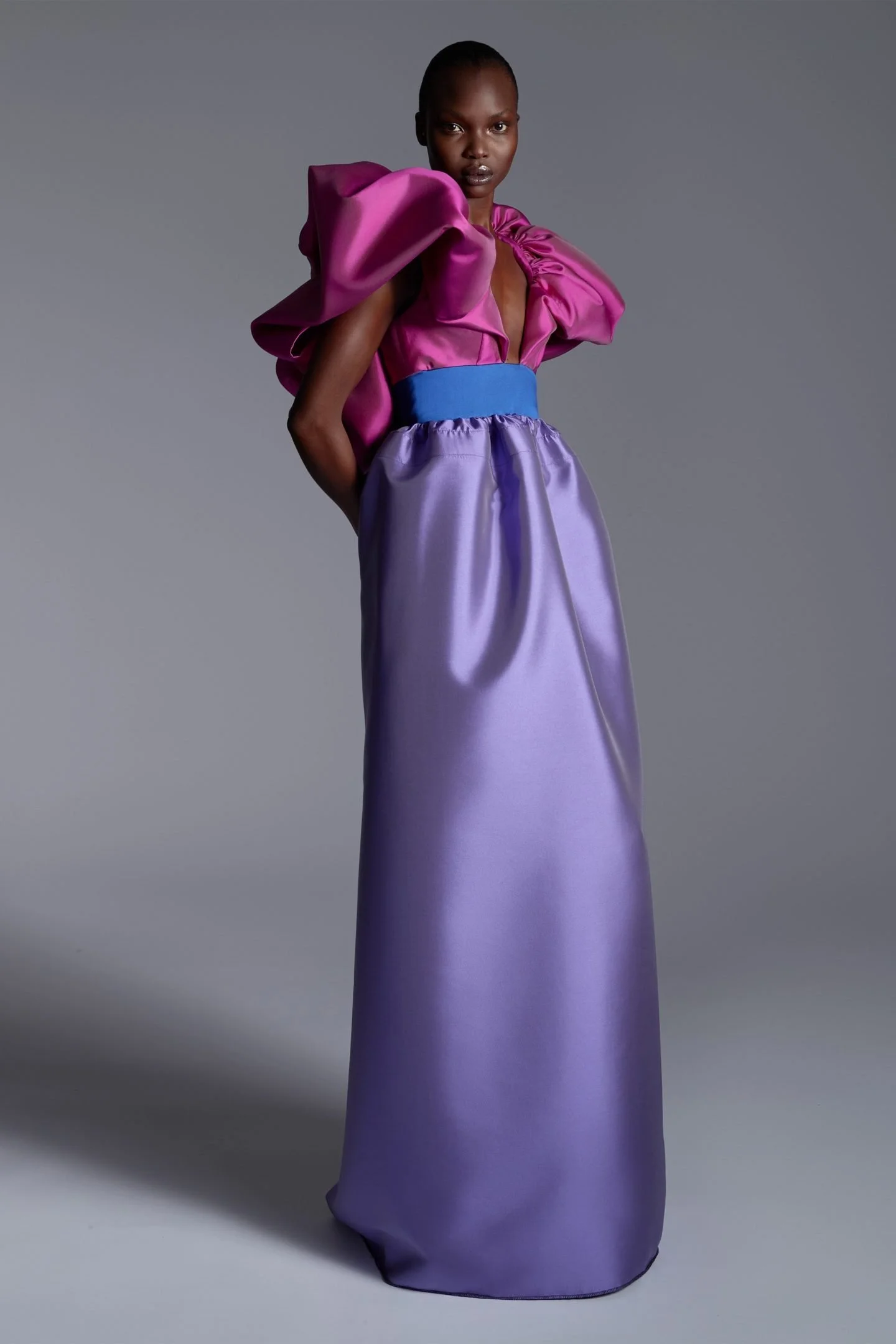
kirk pickersgill
Kirk Pickersgill is the co-founder and designer of the hi-fi glamour brand Greta Constantine. Born in Jamaica and raised in Toronto, Kirk draws inspiration from his roots. His design language makes a statement, with dresses that take up space and give presence to his “Greta Girls”—women from Hollywood to Bloor street—who don his flamboyant fashions. As a Black designer, Kirk understands his place in fashion history. He draws from the struggles of those who came before him for inspiration and envisions a future where Black designers are household names.
In this excerpt, Kirk shares his relationship to Black fashion history.
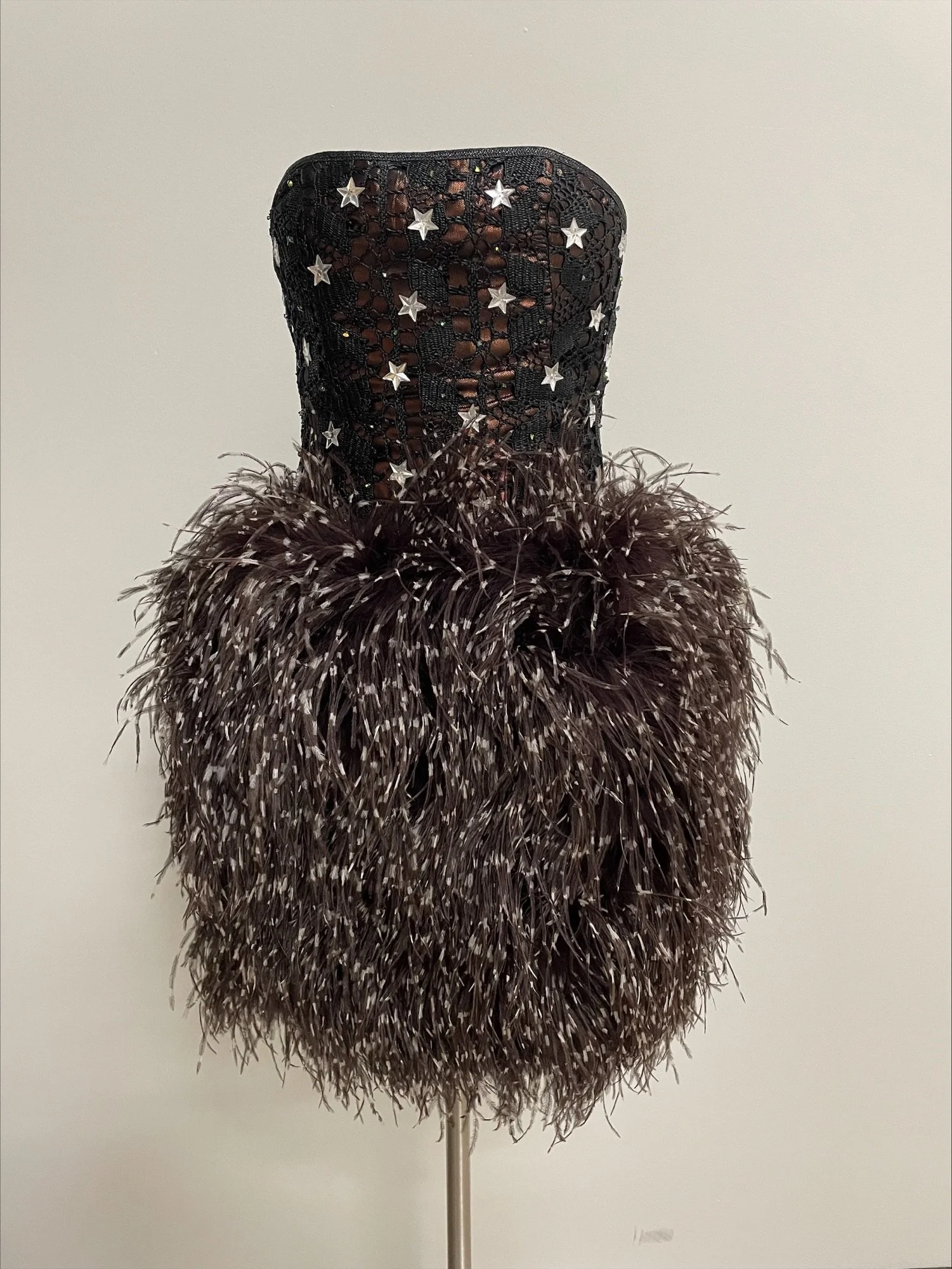
jeffery kong
Jeffery Kong is a member of a fashion family that hails from Jamaica. His uncle, Winston Kong, blazed the trail with his namesake couture brand, launched in Toronto in 1964. Jeffery followed in his footsteps. After graduating from Ryerson Polytechnic in the early 1980s, he opened a Yorkville boutique that featured young and cutting-edge designers and later worked for his uncle. Deciding to take his talents global, he completed a Master’s degree at the Royal College of Art, working thereafter as a designer, creative director and in the C-suite of Global luxury brands, such as Kohl’s Department Stores, Elie Tahari Ltd., Escada Gmbh, Emanuel/Emanuel Ungaro, Gilmar SpA. Jeffery currently shares his luxury fashion expertise at the School of Fashion and Hasou Fashion Academy.
In this excerpt, Jeffery tells us about the inspiration behind his pieces in Sunday Best.